AI Creates Value. Super Apps Could Capture It.
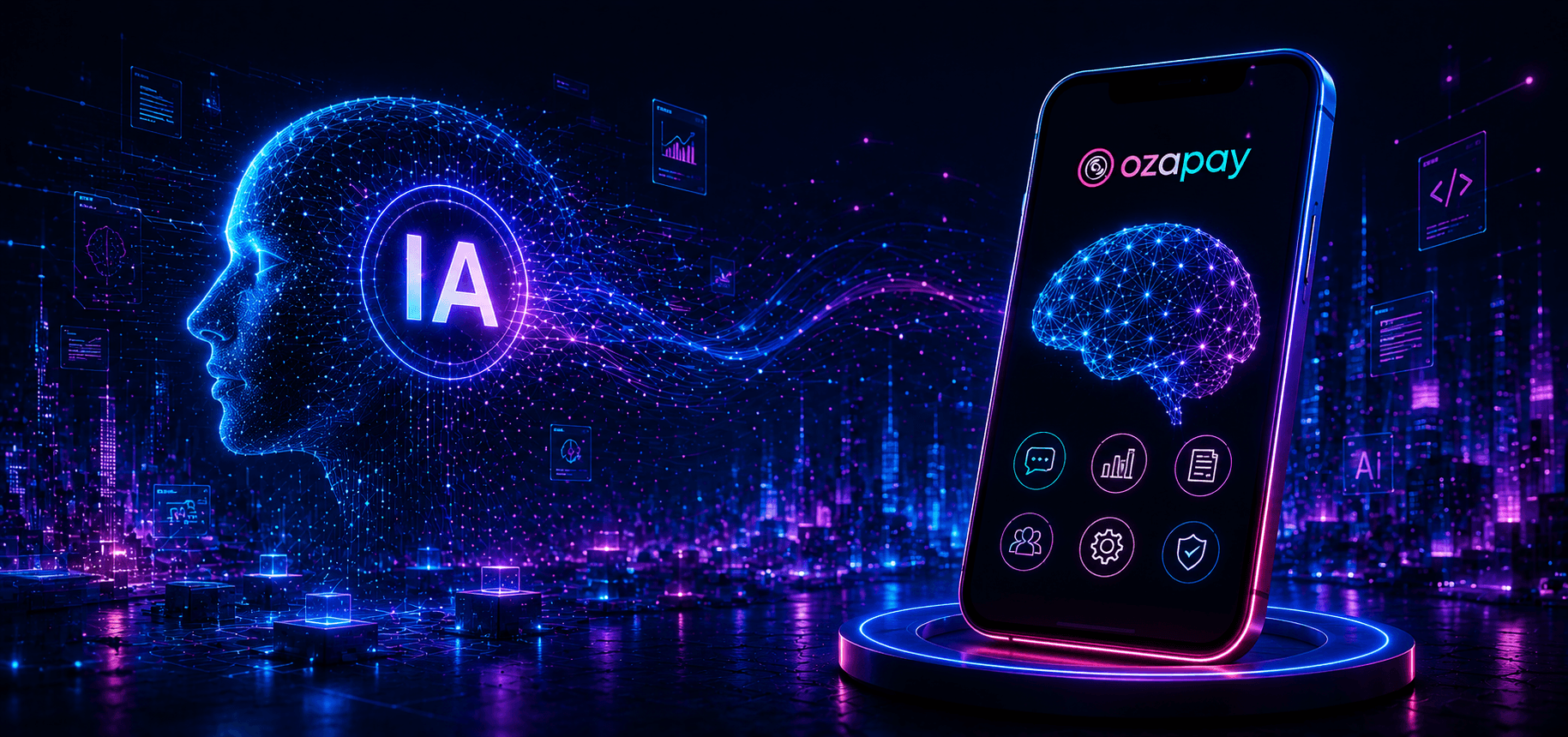
Since the explosion of generative artificial intelligence, a large share of technology investment has focused on AI models, computing infrastructure, and specialized applications. Yet some industry observers believe that the real battle of the next fifteen years may be fought elsewhere: at the level of platforms capable of integrating these technologies into the daily lives of hundreds of millions of users.
The recent history of digital technology shows that the companies that create an innovation are not always those that capture the largest share of the economic value.
The Internet revolutionized commerce, media, and communication. Yet the main winners were not the cable manufacturers or access providers, but platforms such as Google, Amazon, Apple, and Meta, which succeeded in becoming the preferred interface between technology and the user.
According to some analysts, artificial intelligence could follow a similar trajectory.
A Powerful but Increasingly Accessible Technology
Artificial intelligence is already transforming many sectors.
It can automate administrative tasks, improve customer service, generate content, analyze complex data, and personalize the user experience.
But as models become more democratized, purely technological differentiation may become harder to sustain.
OpenAI, Google, Anthropic, Meta, and Mistral are developing increasingly powerful solutions. At the same time, access to these technologies is becoming progressively simpler thanks to APIs, open-source models, and cloud platforms.
In This Context, the Question Shifts.
Value would no longer reside solely in artificial intelligence itself, but in the ability to integrate it into services used on a daily basis.
The Rise of the "Super App" Model
The concept of the super app is not new.
The best example remains WeChat in China.
Initially designed as a simple messaging app, it now allows users to communicate, pay, book services, order products, and even interact with government agencies.
This concentration of uses within a single interface has profoundly altered the digital habits of hundreds of millions of users.
Other players are pursuing a similar strategy.
In Europe, Revolut is gradually expanding its services beyond payments. In the United States, PayPal, Block, and Cash App are also seeking to become full-fledged platforms rather than simple transactional tools.
The goal is clear: multiply use cases to increase the frequency of interaction with the user.
The more an application is used, the more data it has, the more commercial opportunities it unlocks, and the more entry points it gains to integrate new technologies.
Why Financial Services Hold a Strategic Position
The financial sector has an important particularity.
Money is present in nearly every economic activity.
Whether buying, selling, saving, investing, or transferring funds, financial services are often the meeting point between multiple digital uses.
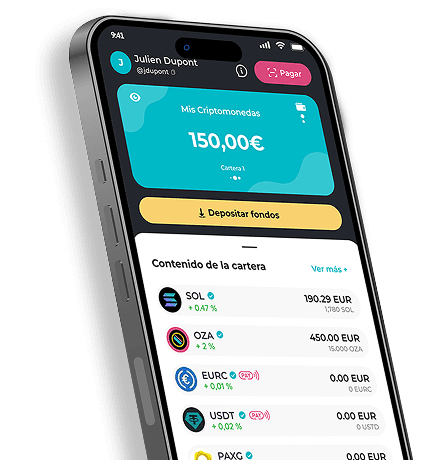
This central position explains why many technology companies are seeking to develop their own payment solutions.
Apple has Apple Pay.
Google is developing Google Wallet.
Tencent relies on WeChat Pay.
Elon Musk regularly discusses his ambition to turn X into a full-fledged financial platform.
For these players, payments are not just an additional service. They are a way to durably anchor the user within an ecosystem.
AI as the Invisible Engine
In this scenario, artificial intelligence does not disappear.
On the contrary, it becomes ubiquitous.
But its role evolves.
It works in the background to improve the user experience.
A financial assistant capable of explaining an expense.
A recommendation engine suggesting relevant offers.
Real-time fraud detection.
Customer support available around the clock.
All of these features can be integrated directly within a super app without the user necessarily being aware of the underlying technology.
The perceived value then rests less on AI itself than on the service delivered.
A Battle Between Platforms Rather Than Between Technologies?
Several experts consider that the next decade could pit two visions of digital technology against each other.
On one side, players specialized in artificial intelligence seeking to provide the best models.
On the other, platforms capable of integrating these models into concrete, everyday uses.
The stakes would no longer be about having the best technology, but about controlling the relationship with the end user.
From this perspective, super apps emerge as serious candidates to capture a significant share of the value created by artificial intelligence.
Whether Western markets will adopt this model with the same intensity as Asia remains to be seen.
One thing, however, seems certain: as AI becomes more accessible, the battle for attention, daily usage, and user loyalty may become the true competitive arena.
And in that battle, platforms that combine payments, communication, commerce, and digital services may hold a decisive advantage.