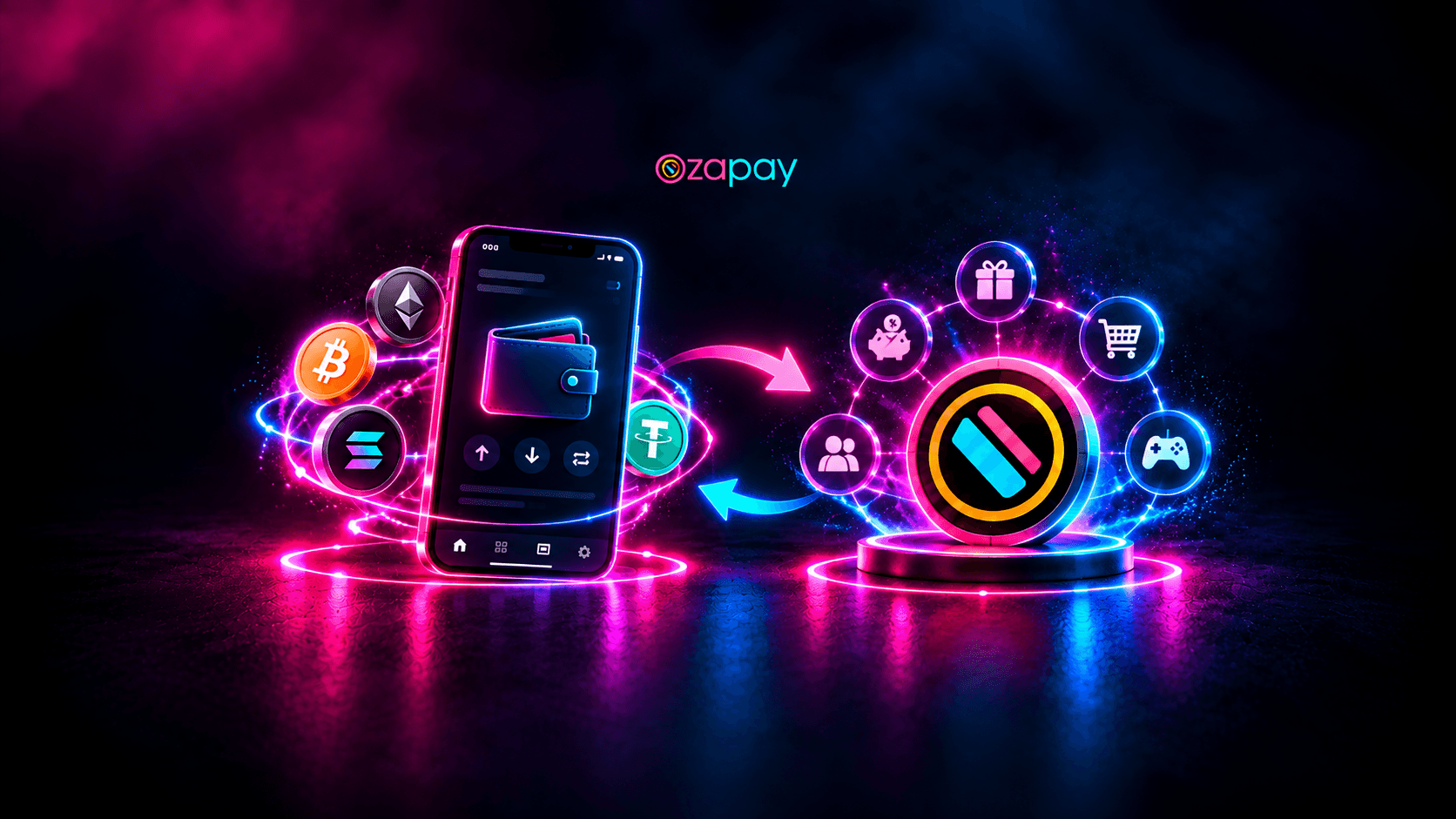
OZAPAY & OZA: one application, a whole ecosystem
OZAPAY is the application, OZA is the token of its ecosystem. Do you need to own OZA to use OZAPAY? No. Discover how to use the app, earn OZA, and, if you wish, follow its price or buy some.
Read more
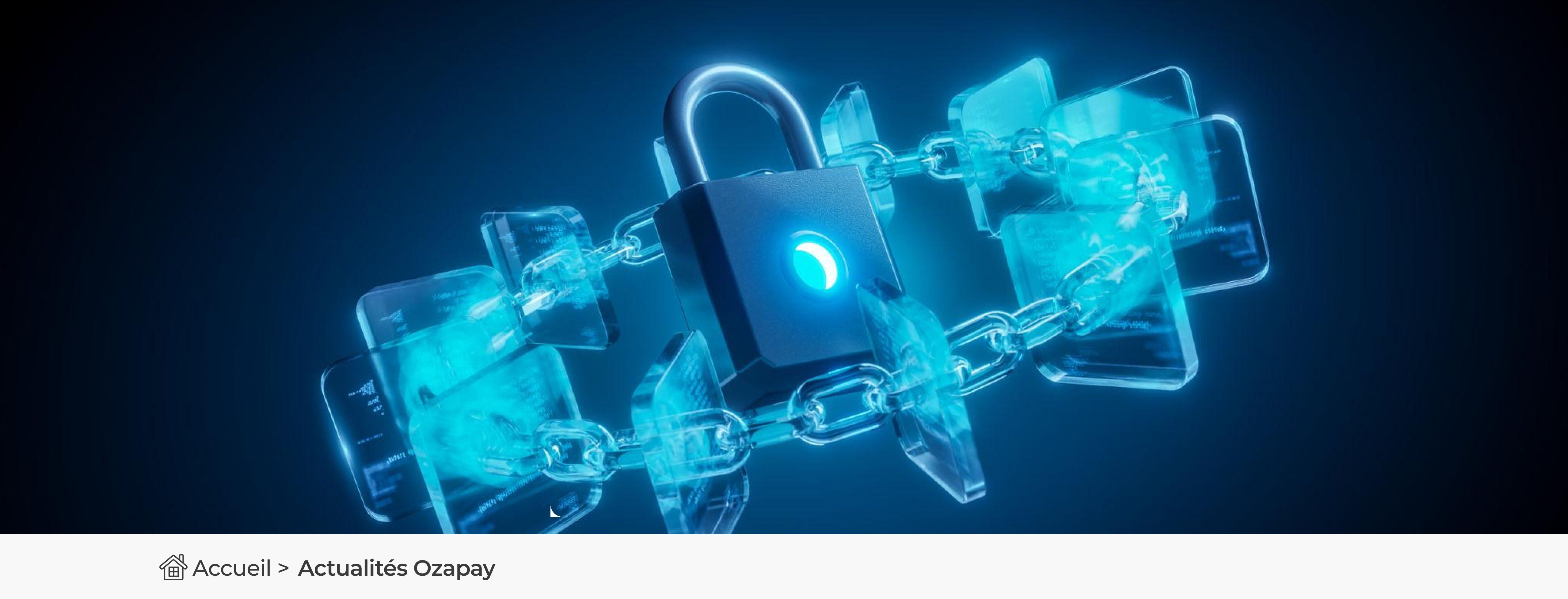
The race toward quantum resistance is today a strategic challenge for any serious blockchain project. As quantum computers advance (IBM, Google, IonQ, etc.), the classical cryptography based on elliptic curves (Ed25519, secp256k1) used by Bitcoin, Ethereum, Solana and many others will theoretically become vulnerable against powerful quantum algorithms (Shor, Grover).
Fortunately, the blockchain ecosystem is not standing still. Several major projects are planning or already deploying post-quantum upgrades that will allow their networks to be secured even against adversaries equipped with quantum computers.
The security of cryptocurrencies relies on a fundamental principle: a transaction is authorized only if it is signed by a private key that matches a public key. On classical blockchains, these signatures are made with algorithms such as Ed25519 or secp256k1, and both of these standards are assumed to be difficult to break with classical computers.
But a sufficiently powerful quantum computer running Shor's algorithm could, in theory, derive a private key from a public key, thus making the current public/private key model obsolete. In this future scenario, thousands or millions of addresses could be compromised.
By Johan Decottignies
OZAPAY is the application, OZA is the token of its ecosystem. Do you need to own OZA to use OZAPAY? No. Discover how to use the app, earn OZA, and, if you wish, follow its price or buy some.
Read more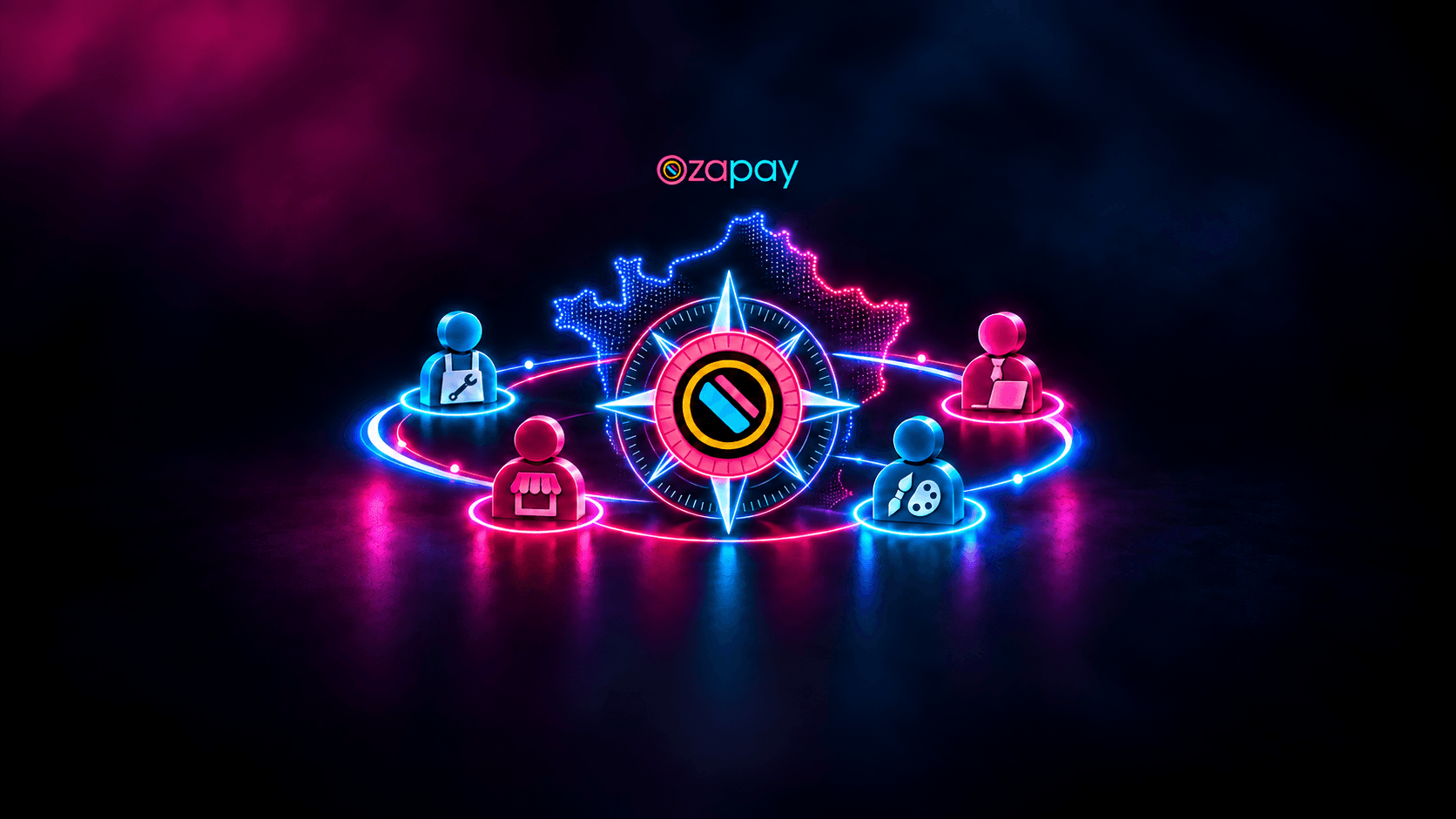
OZAPAY is reshaping the economy around a new compass: a trade and professions explorer built on proximity, trust, and French know-how. Tomorrow, anyone will be able to discover the professionals around them, while entrepreneurs will be able to simply manage their clients and their activity, supported by a smart assistant and AI. A technology designed in France, at the service of a more human economy.
Read more
While Europe is still hesitating over the place of digital assets, other powers are already building the financial infrastructures of tomorrow. Regulate without suffocating, protect without banning, and preserve the freedom to choose: Europe must act before the dominant positions are taken elsewhere.
Read more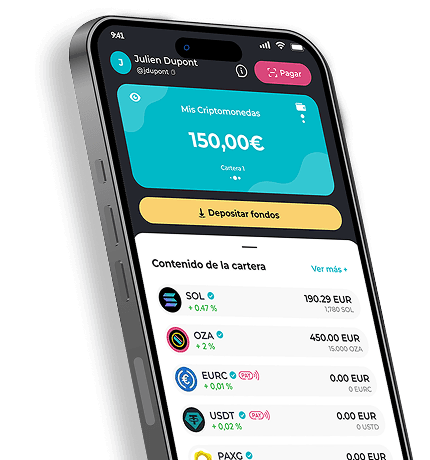
JOIN
OZAPAY
AND GET €5 IN OZA!
The crypto app made for you
Use this code when you sign up
OZABRAAlready registered?Log in

Your money, your rules.
Pay, send and receive in full freedom.


Disclaimer: Buying and holding OZA tokens involves a risk of partial or total loss of the invested capital. Links to Raydium and Coingecko are provided solely to make access to market information and third-party trading tools easier — Ozapay does not manage them and is not responsible for them. OZA is neither a financial instrument, nor a bank deposit, nor a regulated savings product. Crypto-assets are volatile and not covered by legal guarantees, so it is recommended to invest only amounts you are prepared to lose and, if needed, consult a financial advisor before any decision. Access to OZA may be subject to legal restrictions depending on your country of residence. The OZA token is not offered to the public in France within the meaning of Regulation (EU) 2023/1114. Token address: 67iVSrbgQKiPjttU9uXx9CXUoS1Si3XUhrXeiNAUUZSR. This site does not constitute a public offer of crypto-assets. No AMF visa has been requested or obtained.
© All rights reserved to Ozapay - The payment Super App
