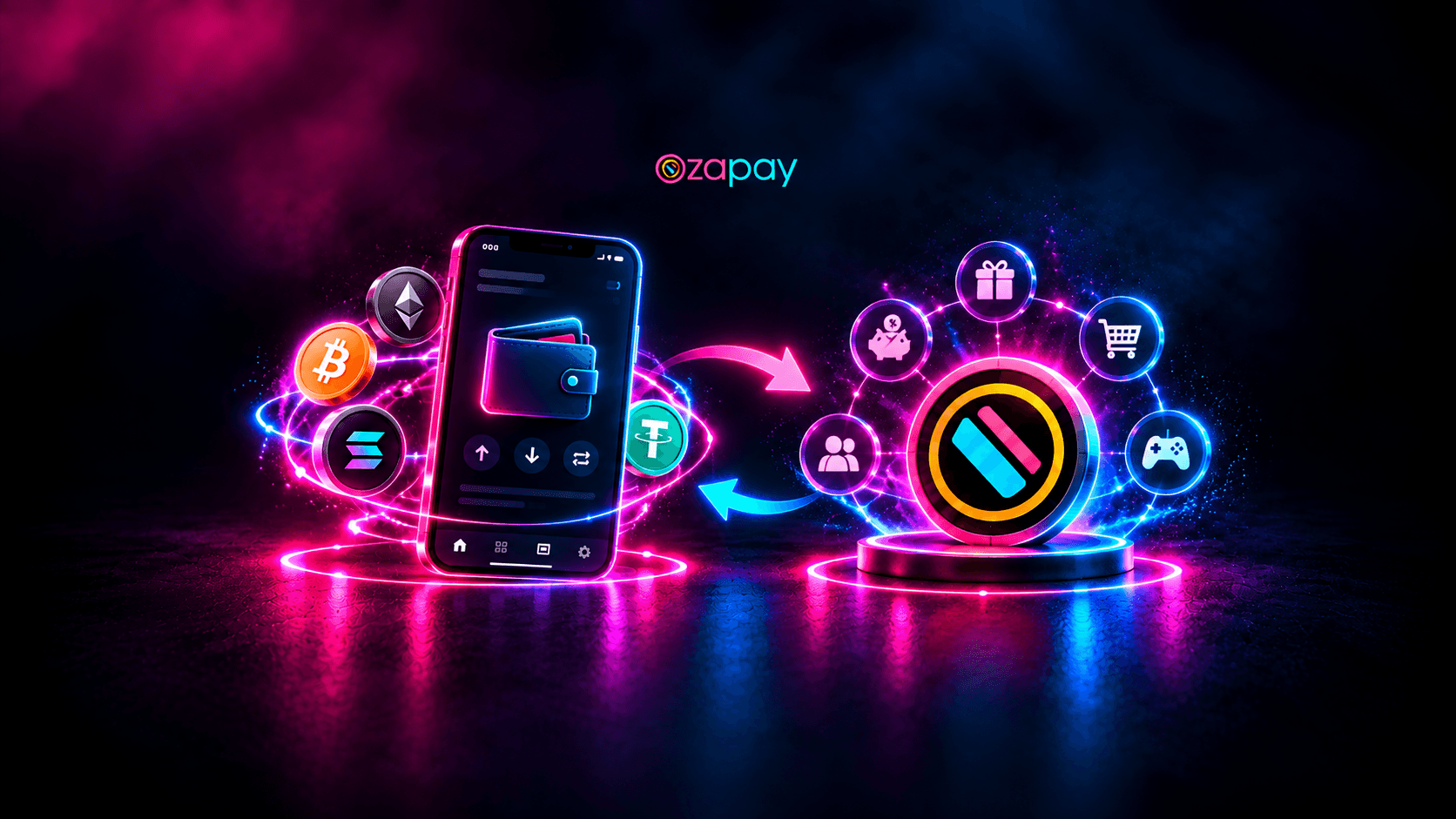
OZAPAY & OZA: one application, a whole ecosystem
OZAPAY is the application, OZA is the token of its ecosystem. Do you need to own OZA to use OZAPAY? No. Discover how to use the app, earn OZA, and, if you wish, follow its price or buy some.
Read more
This is probably the most important point.
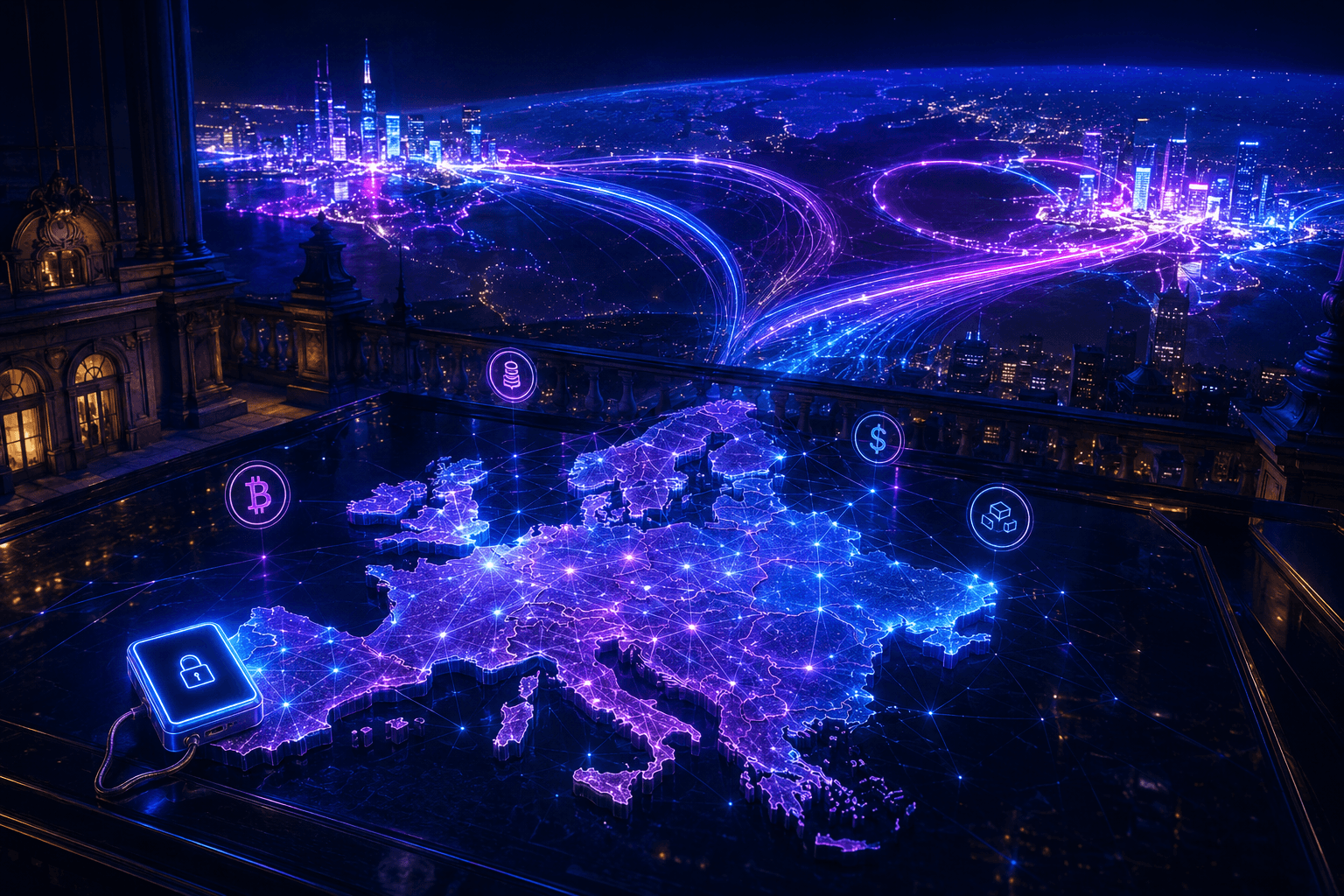
While Europe is still debating the place that digital assets should occupy in its economy, other powers have already begun integrating them into their strategy.
The United States has profoundly changed its doctrine.
Digital assets are no longer merely considered a market to monitor or a risk to contain. They are progressively being integrated into a much broader reflection on payments, investment, financial infrastructures, and economic competitiveness.
The creation of a strategic Bitcoin reserve by the United States is one of the most spectacular symbols of this shift.
But the movement goes far beyond Bitcoin.
Stablecoins, tokenization, blockchain, Web3 infrastructures: a new global financial industry is being structured.
And the United States is obviously not alone.
Around the world, states, financial institutions, funds, and companies are already investing massively in these technologies.
Europe can decide whether it likes this evolution or not.
It can regulate it.
It can limit certain risks.
It can impose high standards of transparency and user protection.
But it cannot decide that this technological revolution does not exist.
The market is already global.
Capital flows freely.
Technologies advance.
Infrastructures are being built.
Companies choose their jurisdictions.
And investors choose the markets they wish to be exposed to.
Closing our eyes to this transformation would therefore be a serious strategic mistake.
Because while we hesitate, others are building.
Above all, there is a paradox.
How can we ask European companies to compete with their American counterparts if the latter enjoy a far more favorable environment to develop, finance, and commercialize digital asset technologies?
How can we hope to see European champions emerge if our entrepreneurs must run the same race with more obstacles?
This would not be "unfair competition" in the legal sense.
It would perhaps be worse:
a competitive disadvantage we would have created ourselves.
American companies will not wait for Europe to finish its debates.
International investors won't either.
And history has already shown us the price that can be paid when a technological revolution is tackled too late.
France had the Minitel.
It was a technological feat.
But while we were perfecting our own system, the Internet was becoming a global standard.
The companies that understood and adopted this new infrastructure then built a considerable share of the global digital economy.
Google, Amazon, Meta, and so many others did not become European.
We eventually adopted the Internet.
But a large share of the economic value had already been created elsewhere.
The real danger is therefore not adopting a global technology too quickly. It is also adopting it once dominant positions have already been taken.
Web3 could represent a new chapter in this history.
We do not know exactly what place Bitcoin, stablecoins, tokenization, or blockchains will occupy in twenty years.
Nobody can reasonably guarantee it.
But their current importance is already significant enough that a major economic power can no longer afford to ignore them.
And this is where the question of European savings takes on its full meaning.
Yes, Europe can seek to better mobilize its savings.
No, "mobilizing" does not mean seizing Europeans' bank accounts, nor imposing on citizens investments decided by Brussels.
But if we want to talk about economic sovereignty, then let us follow the reasoning through to its conclusion.
European sovereignty must also allow for individual sovereignty.
A European must be able to choose how to preserve and invest their wealth.
They must be able to invest in a European company, buy shares, hold real estate, or keep their savings in a bank account.
But they must also be able to choose, within the bounds of the law, to invest in Bitcoin, stablecoins, or other digital assets.
And when they so wish, they must be able to hold their digital assets directly, through self-custody.
This is a new freedom made possible by technology.
It carries risks and responsibilities.
But prohibiting or marginalizing this possibility under the pretext of protecting citizens would amount to cutting them off from an economy in which millions of people and companies already participate elsewhere in the world.
We are not defending a financial Wild West.
We are defending exactly the opposite: an environment in which innovation can develop with clear rules.
Regulate without stifling.
Protect without prohibiting.
Inform without infantilizing.
Allow citizens to own without pretending that owning means escaping the law.
Europe has the capital.
It has the talent.
It has the entrepreneurs.
It has an immense market.
It must now give them the means to play with the same cards as their international competitors.
Because in a global economy, refusing the cards of the game does not change the rules for the other players.
It simply prevents us from playing.
And at OZAPAY, we refuse to let Europe watch a new technological revolution unfold from the sidelines.
We want to help build it here.
In Europe.
With our companies.
With our technologies.
And above all, with citizens free to choose, invest, and own.
Your daily life. Your rules.
By Johan Decottignies
OZAPAY is the application, OZA is the token of its ecosystem. Do you need to own OZA to use OZAPAY? No. Discover how to use the app, earn OZA, and, if you wish, follow its price or buy some.
Read more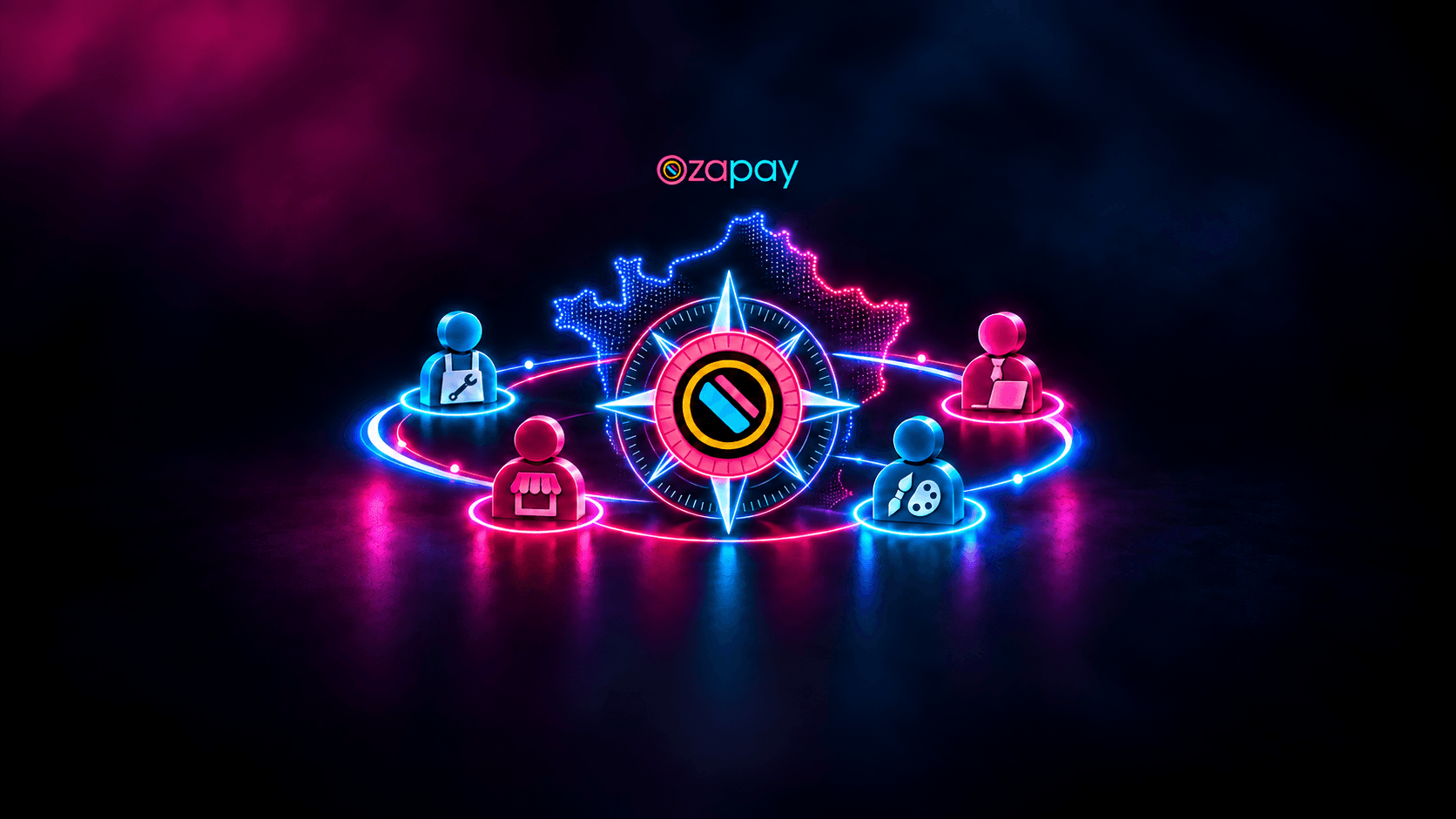
OZAPAY is reshaping the economy around a new compass: a trade and professions explorer built on proximity, trust, and French know-how. Tomorrow, anyone will be able to discover the professionals around them, while entrepreneurs will be able to simply manage their clients and their activity, supported by a smart assistant and AI. A technology designed in France, at the service of a more human economy.
Read more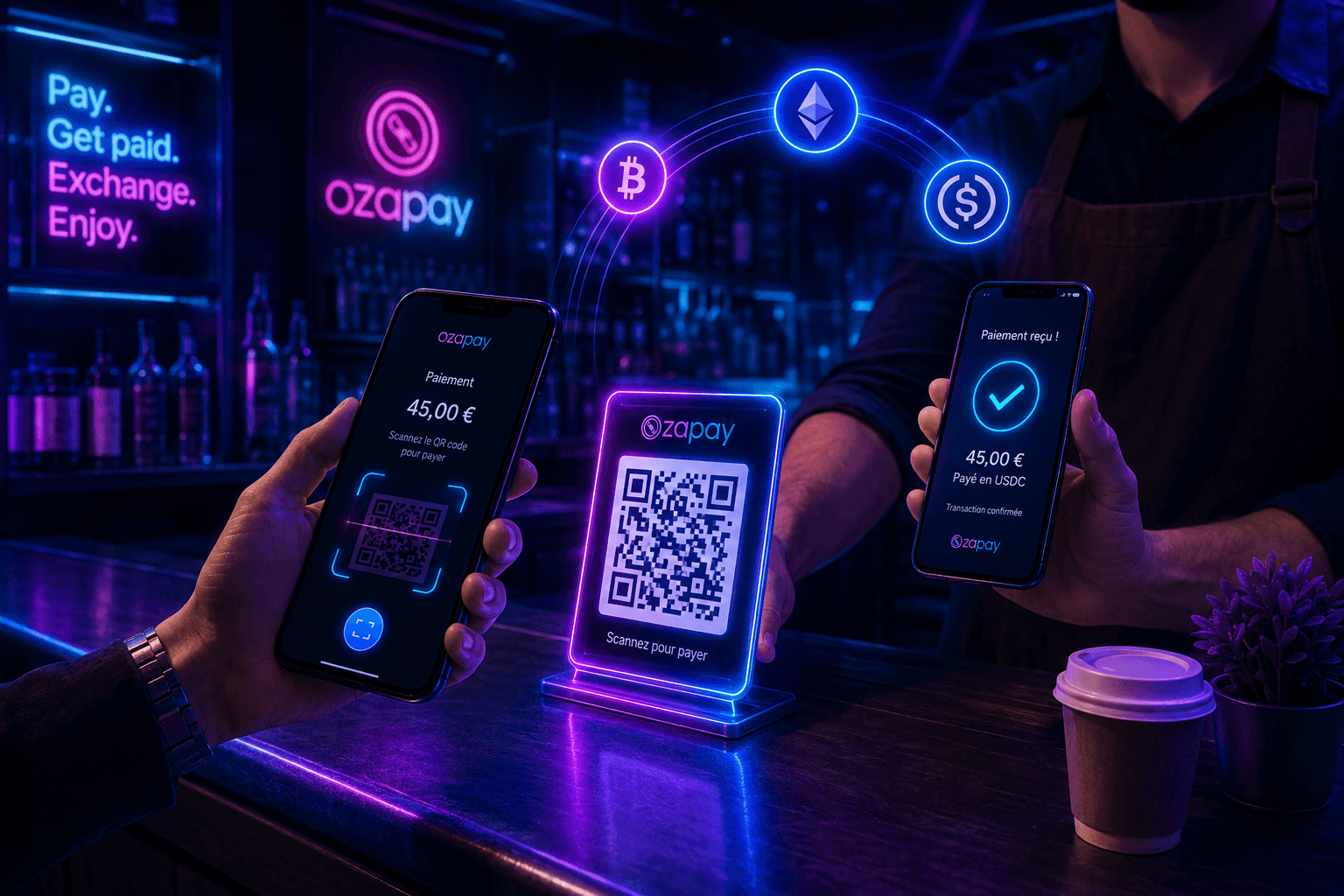
What if paying in cryptocurrencies at a merchant became as simple as a traditional payment? With OZAPAY, pay and accept digital assets in just a few seconds using a simple QR code.
Read more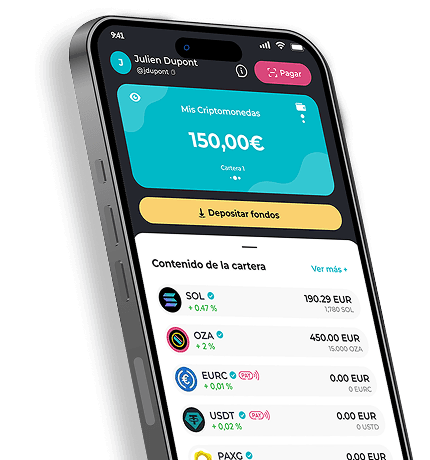
JOIN
OZAPAY
AND GET €5 IN OZA!
The crypto app made for you
Use this code when you sign up
OZABRAAlready registered?Log in

Your money, your rules.
Pay, send and receive in full freedom.


Disclaimer: Buying and holding OZA tokens involves a risk of partial or total loss of the invested capital. Links to Raydium and Coingecko are provided solely to make access to market information and third-party trading tools easier — Ozapay does not manage them and is not responsible for them. OZA is neither a financial instrument, nor a bank deposit, nor a regulated savings product. Crypto-assets are volatile and not covered by legal guarantees, so it is recommended to invest only amounts you are prepared to lose and, if needed, consult a financial advisor before any decision. Access to OZA may be subject to legal restrictions depending on your country of residence. The OZA token is not offered to the public in France within the meaning of Regulation (EU) 2023/1114. Token address: 67iVSrbgQKiPjttU9uXx9CXUoS1Si3XUhrXeiNAUUZSR. This site does not constitute a public offer of crypto-assets. No AMF visa has been requested or obtained.
© All rights reserved to Ozapay - The payment Super App
