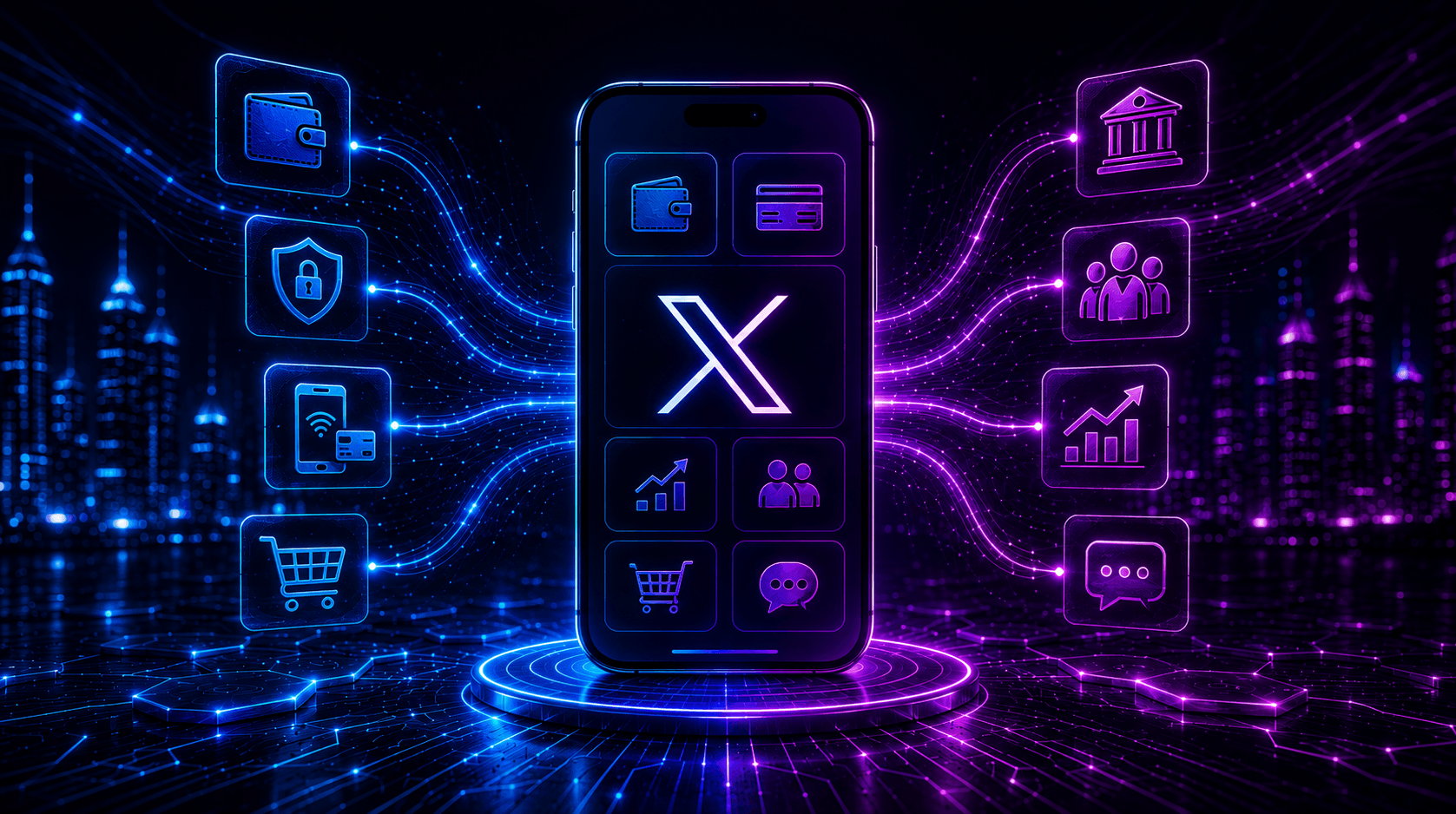
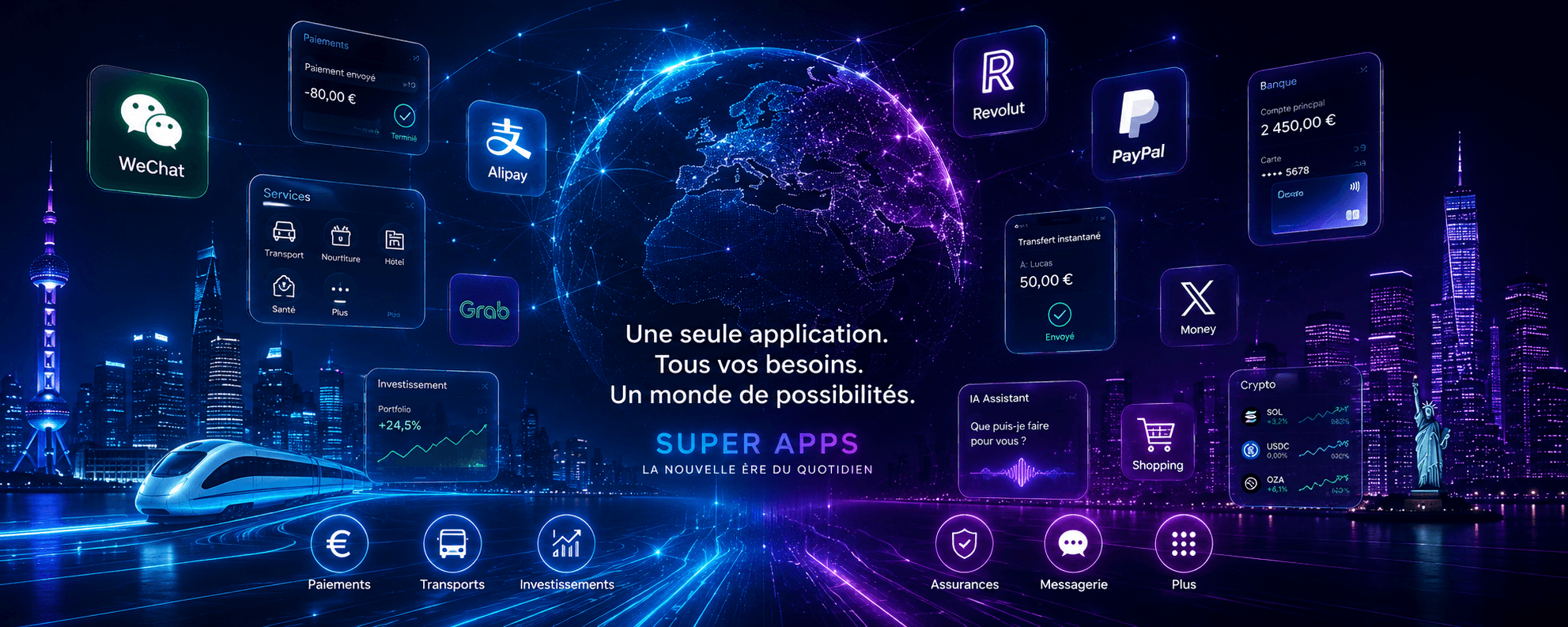
For several years now, the superapp concept has been transforming the tech industry.\n\nFollowing WeChat, Grab, Alipay and Elon Musk's ambitions with X Money, Microsoft is now presenting Copilot as its future superapp focused on artificial intelligence.\n\nBut this announcement raises a fundamental question:\n\nCan we really talk about a superapp?\n\n---\n\n# Microsoft unifies all its AI services\n\nMicrosoft has announced a major evolution of Copilot.\n\nThe goal is to progressively bring together several artificial intelligence experiences into a single application:\n\n- Copilot Chat\n- GitHub Copilot\n- Copilot Pages\n- Copilot Agents\n- Microsoft 365 productivity tools\n\nThe idea is simple: offer a single access point from which users can leverage Microsoft entire developed artificial intelligence ecosystem.\n\nAt first glance, this strategy is reminiscent of the superapp concept.\n\nHowever, the comparison deserves some nuance.\n\n---\n\n# A centralization of services rather than a true superapp\n\nAt OZAPAY, we believe this evolution represents more of a centralization of services than an authentic superapp.\n\nWhy?\n\nBecause not every application that brings several functions together can be considered a superapp.\n\nCopilot effectively integrates multiple artificial intelligence tools.\n\nHowever, they all belong to the same domain:\n\n- AI-powered assistance;\n- productivity;\n- software development;\n- intelligent agents.\n\nIn other words, Microsoft unifies its offering, but continues to operate within a single universe of services.\n\n---\n\n# What is a superapp really?\n\nFor us, a true superapp goes far beyond integrating several functions.\n\nIt must accompany the user in their daily life.\n\nFor example, it should enable:\n\n- communicating;\n- sending and receiving money;\n- making payments;\n- purchasing products and services;\n- booking transportation or accommodation;\n- managing digital identity;\n- accessing third-party services;\n- interacting with a complete ecosystem.\n\nThe goal is not simply to bring tools together.\n\nThe real goal is to become the application the user opens several times a day, regardless of their need.\n\nThat is precisely what differentiates platforms like WeChat, Grab or Alipay.\n\n---\n\n# The real trend: reducing fragmentation\n\nThis does not mean Microsoft is following a wrong strategy.\n\nQuite the opposite.\n\nIts announcement confirms a trend we already see among major tech players.\n\nUsers want to use fewer applications and enjoy increasingly integrated experiences.\n\n- Apple continues to unify its services.\n- Google is building an increasingly connected ecosystem around Gemini.\n- Microsoft is doing the same with Copilot.\n\nAll these companies are pursuing the same goal:\n\nReducing the fragmentation of the digital experience.\n\n---\n\n# The next step will be the most interesting one\n\nIn our view, the next evolution will not consist only of bringing several tools together under the same interface.\n\nPlatforms will seek to connect with each other:\n\n- Artificial intelligence\n- Payments\n- Digital identity\n- Financial services\n- Commerce\n- Communication\n- Third-party services\n\nThat will be when we can truly speak of universal superapps.\n\n---\n\n# Why does this distinction matter?\n\nToday, the term superapp is used very frequently.\n\nHowever, not all integrated platforms fit the same definition.\n\nIn our view, we can distinguish three major categories.\n\n## 1. Unified platforms\n\nThey group multiple services belonging to the same domain.\n\nExamples:\n\n- Microsoft Copilot\n- Adobe Creative Cloud\n- Microsoft 365\n\n## 2. Digital ecosystems\n\nThey connect different families of products and services.\n\nExamples:\n\n- Apple\n- Google\n\n## 3. True superapps\n\nThey become the entry point for multiple daily needs, also integrating third-party services.\n\nExamples:\n\n- WeChat\n- Grab\n- Alipay\n\n---\n\n# Our vision at OZAPAY\n\nWe are convinced that the future is not about piling up more features, but about integrating them intelligently.\n\nA superapp should not be limited to offering more tools.\n\nIt must simplify people's lives by bringing together, in a single experience, the services they truly use every day.\n\nMicrosoft's announcement is excellent news for the tech sector.\n\nIt confirms that large companies are moving toward increasingly complete and integrated platforms.\n\nHowever, we believe that the next generation of superapps will go much further, connecting artificial intelligence, payments, digital identity, financial services, strategic partners and everyday services within a truly open ecosystem.\n\nThe future will not be an application with more features.\n\nIt will be an application capable of naturally replacing several applications at once, delivering a fluid, secure and genuinely useful experience for everyday life.